Reviewing Pastel Watercolor Floral Arrangement DXF for Embroidery
As a designer who has spent years digitizing patterns and testing them on everything from delicate silk to heavy canvas, I approach every new machine embroidery design with a critical eye. It is not just about whether the image looks pretty on a screen; it is about how those lines translate into thread, tension, and texture. Recently, I evaluated the Pastel Watercolor Floral Arrangement DXF to determine its viability for real-world commercial and personal projects. This is not merely a digital asset; it is a potential cornerstone for a small shop’s seasonal collection.
First Impressions and Visual Mood
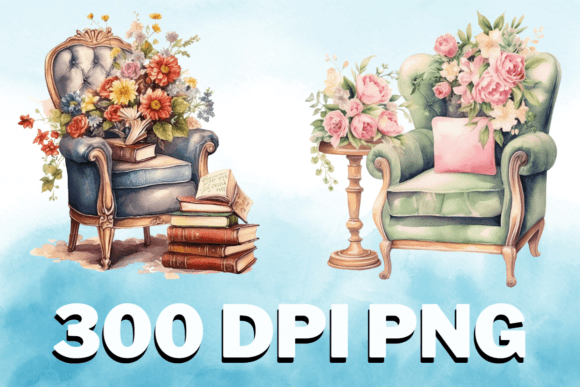
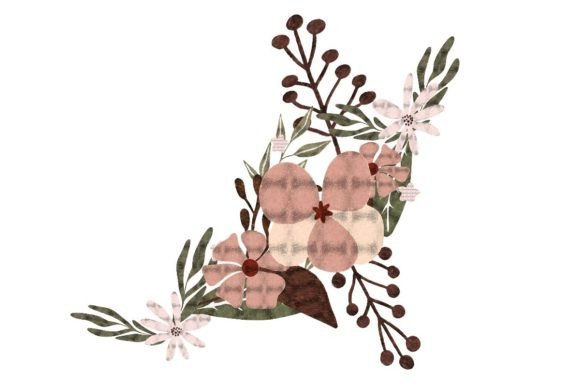
The immediate appeal of this Illustrations-style graphic lies in its softness. Unlike rigid vector art that can feel sterile, the watercolor aesthetic brings an organic, hand-painted warmth to the table. When I opened the files, the resolution stood out. At 300 dpi and spanning up to 39×39 inches, the clarity allows for significant scaling without losing the nuanced edges that define the watercolor look. For an embroidery project, this means the transition between colors can be managed with careful thread selection, avoiding the blocky appearance that plagues lower-quality digital embroidery file conversions.
The layout is balanced, offering a natural focal point that draws the eye without overwhelming the surrounding fabric. This visual personality fits seamlessly into the current trend of cottagecore and minimalist botanical decor. It feels intentional, not cluttered, which is crucial when you are working with the physical limitations of an embroidery hoop.
Real-World Application: The Custom Tote Bag Test
To truly understand the value of the Pastel Watercolor Floral Arrangement DXF, I simulated a common client request: a custom embroidered tote bag for a spring wedding favor. Tote bags are unforgiving; they have a loose weave and often lack the stability of structured garments. Using the provided SVG and DXF files, I prepared the design for digitization, focusing on how the watercolor gradients would translate into stitch types.
In this scenario, the design performed exceptionally well as a centerpiece. The floral arrangement provided enough density to cover the fabric texture effectively, preventing the background material from peeking through awkwardly. However, the "watercolor" effect requires a strategic approach to thread colors. Instead of trying to replicate every subtle shade shift with complex blending, I found that using variegated threads or carefully planned fill stitch directions created a more authentic handmade look. The result was a handmade product that felt elevated and boutique-quality, rather than mass-produced.
Versatility Across Product Lines
Beyond tote bags, this design shows promise across various categories. For sweatshirt embroidery, the soft pastel palette complements heather grey or cream fabrics beautifully, adding a touch of elegance to casual wear. It also works well for baby embroidery items, such as bibs or blanket corners, where gentle visuals are preferred over bold, aggressive graphics. The scalable nature of the included AI and EPS files means you can shrink it for a delicate chest pocket logo or expand it for a large back print on a jacket.
For Etsy sellers and craft business owners, this versatility is a major selling point. You can offer the same design on different products—pillow covers, aprons, or even framed hoop art—maximizing your return on investment for the single purchase. It serves as a strong foundation for a cohesive brand aesthetic, helping customers recognize your shop’s style instantly.
Technical Considerations and Limitations
While the design is robust, it is not without its challenges. The watercolor style implies soft edges, which can be tricky to reproduce with standard satin stitch or running stitch techniques if not digitized correctly. If you are converting these graphics yourself, pay close attention to stitch density. Too dense, and the fabric will pucker; too sparse, and the delicate details will vanish.
Caution is advised when using this design on dark fabrics. Pastel colors lack the opacity needed to cover black or navy blue effectively without a substantial underlay or applique base. In such cases, consider using the design as an applique design template, cutting light-colored fabric to match the shape and then stitching around the edges. This preserves the watercolor illusion while ensuring visibility.
Additionally, be mindful of hoop size constraints. While the file allows for large scaling, intricate floral details may merge if scaled down too small for a 4x4 inch hoop. Always test on scrap fabric first. Check how the stabilizer interacts with your chosen material. A cut-away stabilizer is often necessary for stretchy fabrics like t-shirts to prevent distortion after washing.
Enhancing Brand Value and Customer Trust
Using high-quality assets like the Pastel Watercolor Floral Arrangement DXF directly impacts perceived value. Customers can tell when a design is crisp and well-thought-out. A clean, professional finished product builds trust and encourages repeat business. When you use these Graphics to create printable mockup previews for your online store, the high resolution ensures your listings look polished, increasing buyer engagement.
For commercial embroidery projects, consistency is key. This design allows for uniform branding across different items, whether it is a personalized gift for a corporate client or a seasonal item for your small shop product line. The emotional connection customers feel with soft, floral imagery can enhance the giftability of your items, making them popular choices for holidays and special occasions.
Practical Designer Notes for Implementation
Before launching any product featuring this design, follow these practical steps:
- Test on Scrap Fabric: Always run a sample stitch-out on the exact fabric type you intend to sell. This reveals issues with tension and density before you waste good material.
- Check Thread Contrast: Ensure your thread colors stand out against the fabric. Pastels need light backgrounds or careful underlay management on darker materials.
- Review Stitch Density: Adjust density settings in your digitizing software to match the fabric weight. Heavy denim needs different settings than lightweight cotton.
- Confirm Hoop Size: Verify that the scaled design fits comfortably within your machine’s hoop, leaving room for clamping and stabilization.
- Inspect Small Details: Zoom in on the digital file to ensure no tiny, un-stitchable elements exist that could cause thread breaks or bird nests.
- Verify Licensing: Although the package includes multiple formats like PNG, JPG, SVG, DXF, EPS, and AI, always confirm the specific license terms for commercial use. Ensure you are allowed to sell physical items made with these design assets.
In conclusion, the Pastel Watercolor Floral Arrangement DXF is a versatile and high-quality addition to any designer’s library. It bridges the gap between digital art and tactile craftsmanship, offering a realistic path to creating beautiful, marketable embroidery projects. With careful attention to technical details and fabric choice, it can elevate your custom apparel and home decor offerings, providing both aesthetic appeal and commercial viability.